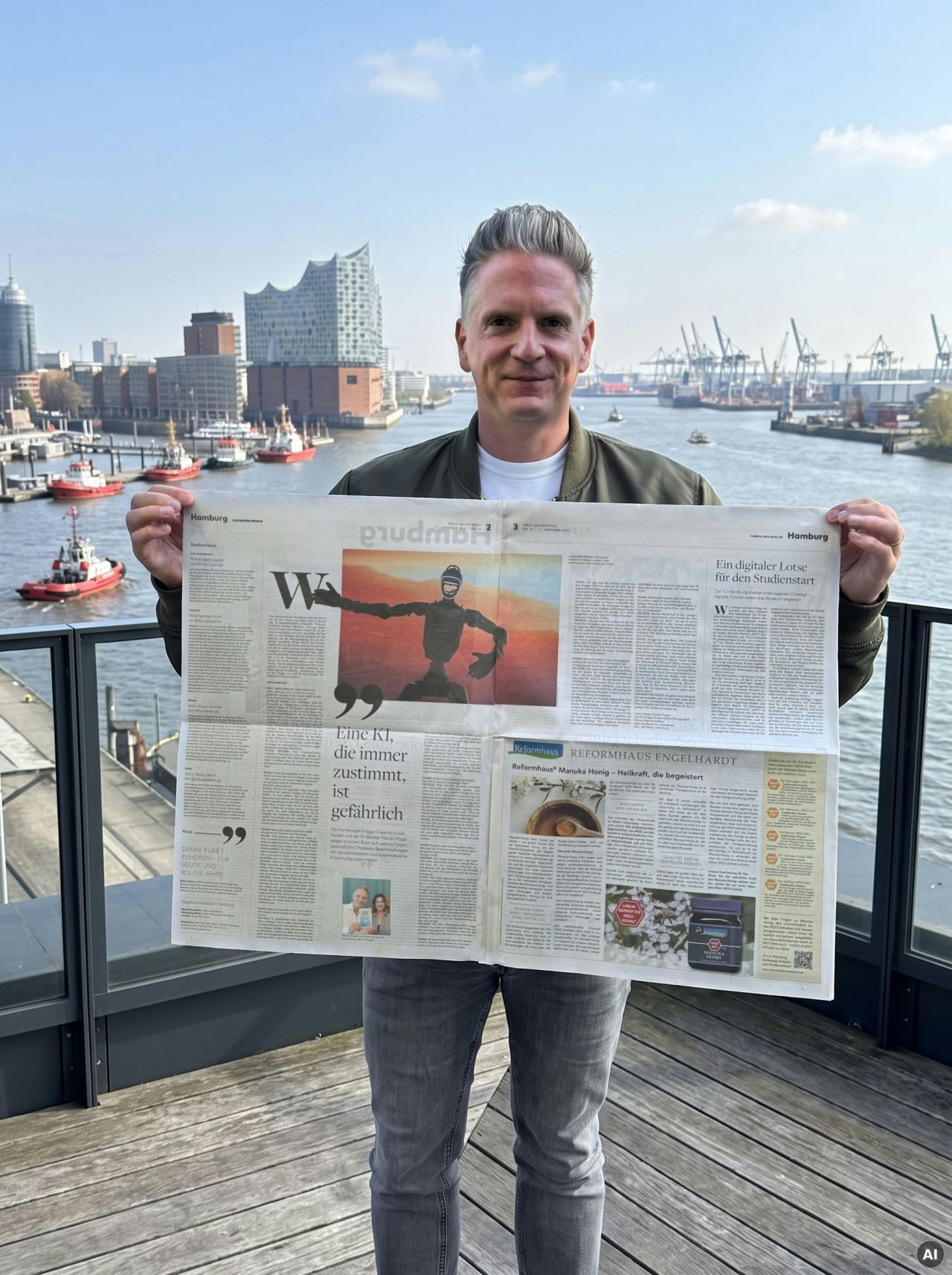
News · October 2026
Interview Welt am Sonntag
Polite, uncritical, dangerous?
AI models agree with users nearly one and a half times as often as humans in comparable situations. What that means for teams who work with AI every day.
Read more
Work
Individual projects, workshops and company-wide rollouts.
News · October 2026
Interview Welt am Sonntag
AI models agree with users nearly one and a half times as often as humans in comparable situations. What that means for teams who work with AI every day.
Read more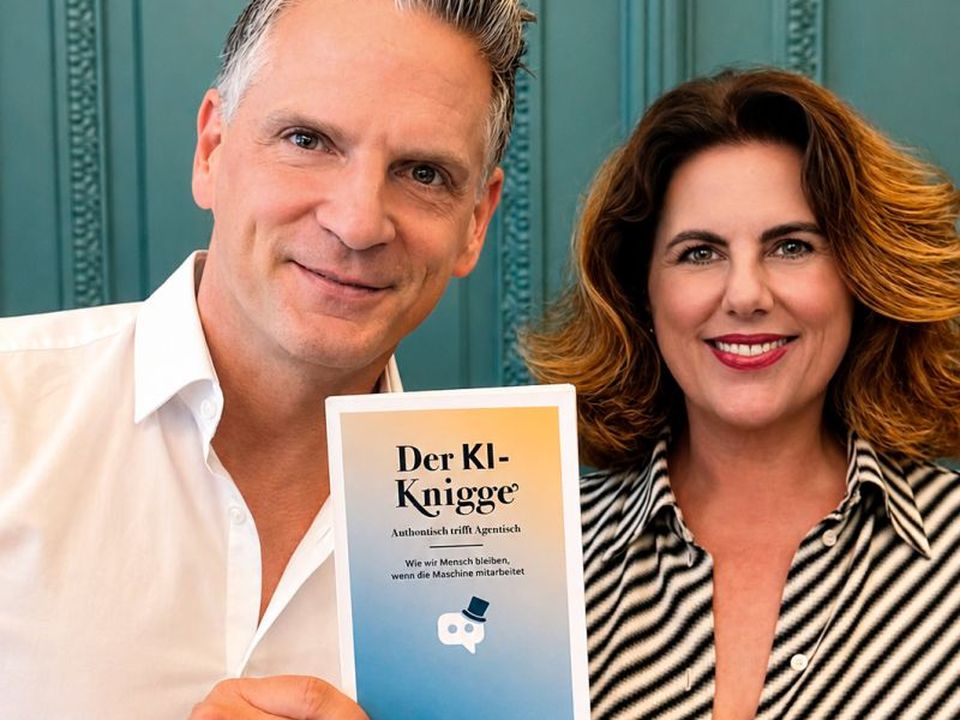
News · September 2026
Der KI-Knigge
AI is everywhere. Good manners are not. The book with Vivian Hecker, so that good style survives even when AI is co-writing. In print and in shops.
Read more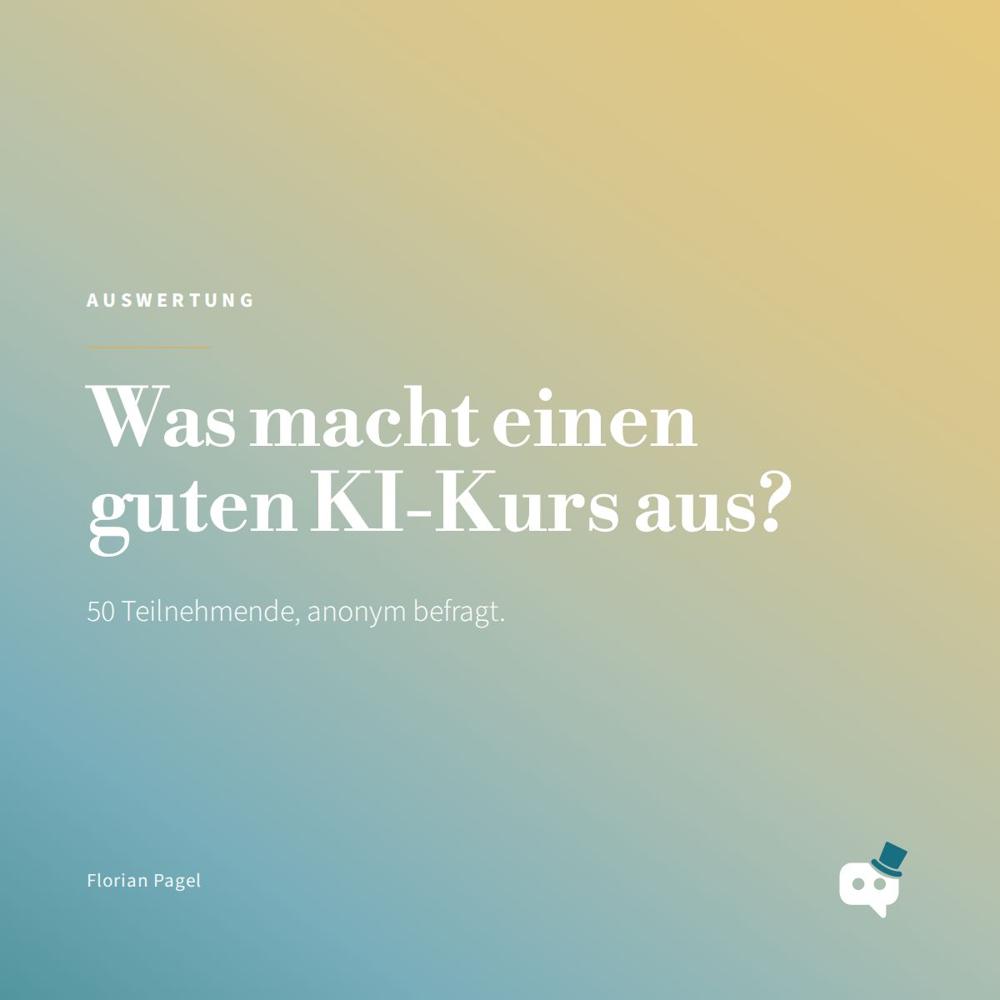
Perspective · September 2026
Survey results
50 participants, surveyed anonymously: satisfaction 4.3 out of 5, recommendation 8.6 out of 10. Three things make a course valuable: your own topics as practice material, personal growth, and live instead of video.
Read more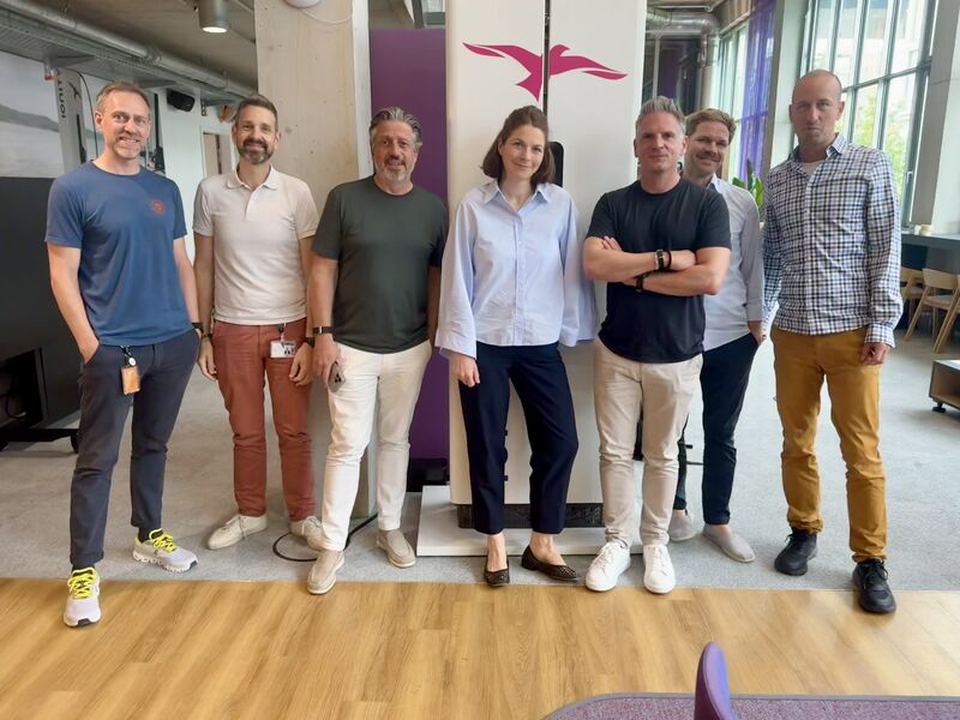
Case · July 2026
IONITY
The leadership team sets a business challenge live. 35 minutes later, the solution is on the table. No slide about someday: proof in the room, with real work.
Read more
News · July 2026
Campaign Germany
Campaign asks about CAIO candidates. My counter-question: does the role need to be permanent at all? Three questions to ask before a company creates its own AI position.
Read more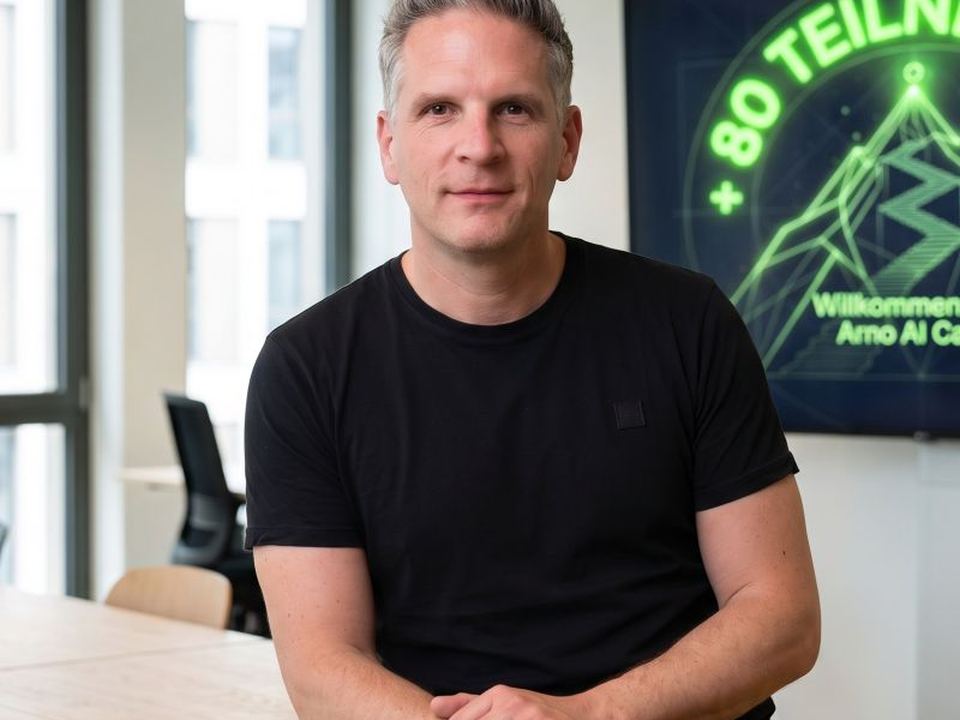
Case · July 2026
ARNO Group
From the first workshop in a small group to an AI Camp for the whole company. Hybrid: live sessions plus avatars.
Read more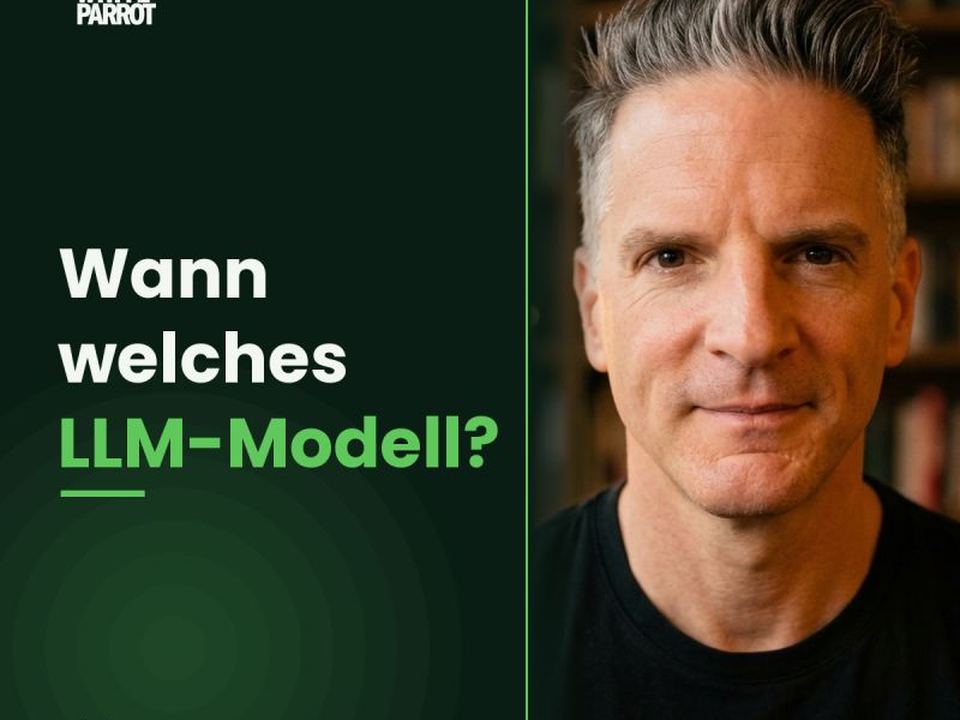
Perspective · July 2026
Perspective
Coding? Claude. Autonomous agents? GPT. Entire sets of contracts? Gemini. No provider wins everywhere. Use one model for everything and you give away quality or budget. The compass as a PDF.
Read more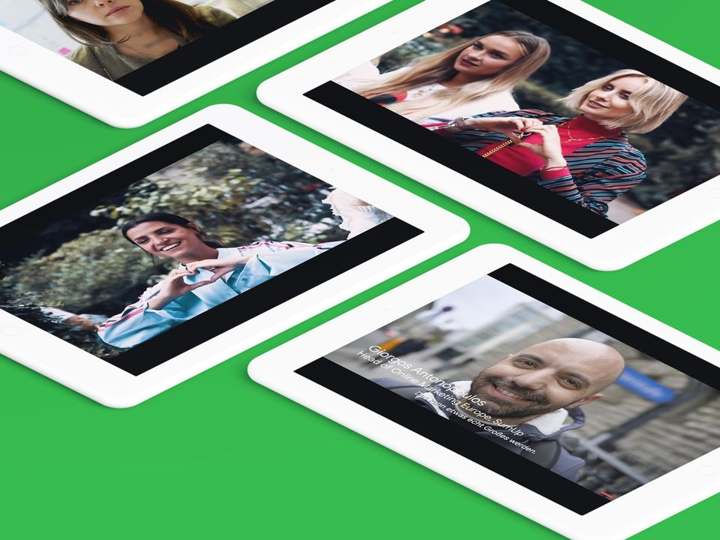
Archive · B2B case films
Eleven company portraits, from SumUp to Taxfix: 90 to 120 seconds each, showing which approach led to growth.
Read more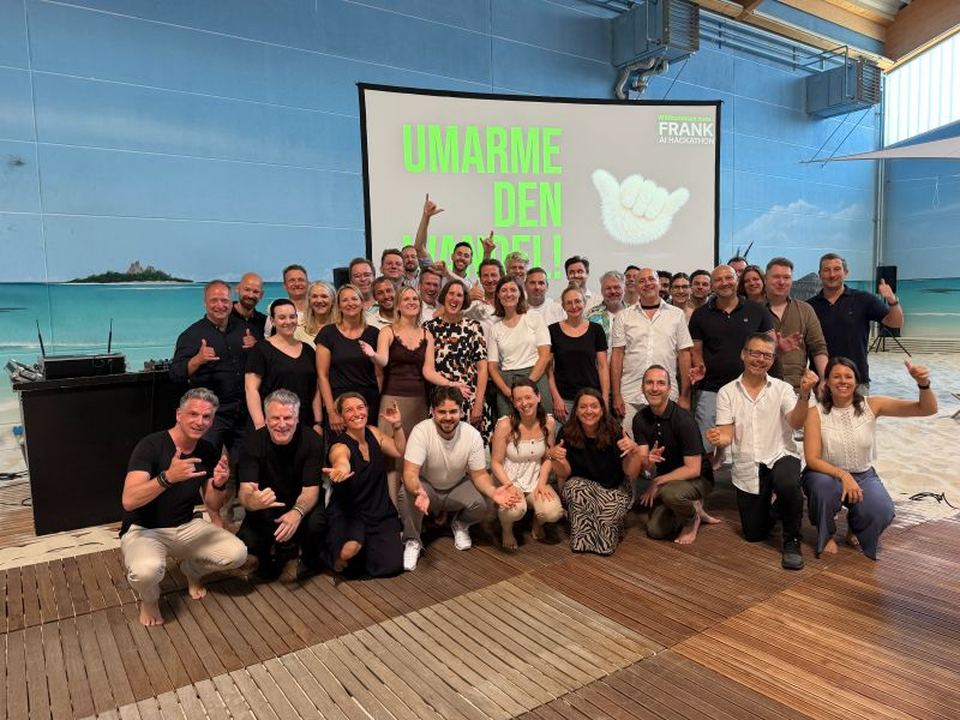
Case · June 2026
FRANK Gruppe
A whole day, shoes off, straight in. The teams built live dashboards and assistants for everyday work. Sceptical looks turned into smiles.
Read more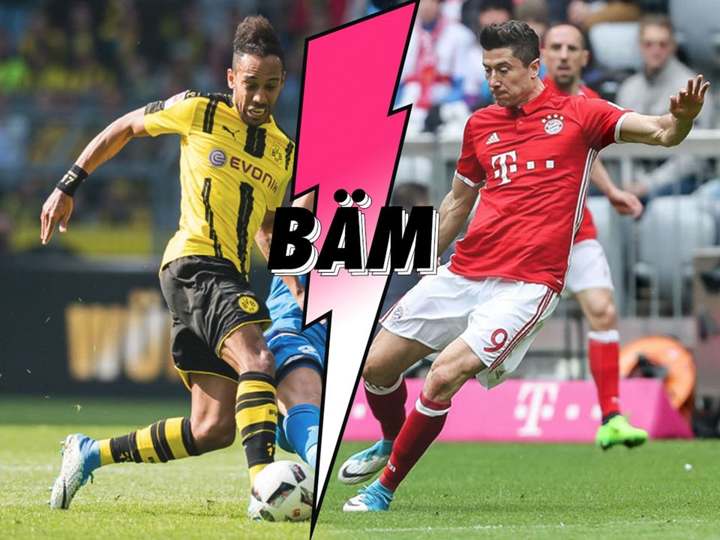
Archive · Football
Nike
Over 1.2 million views. 460,000 on photo posts, 810,000 on video. Comments from all over the world.
Read morePerspective · June 2026
Perspective
400,000 analysed coding sessions show that the people who get the most out of it are the ones with the deepest domain expertise, ahead of the tech enthusiasts. Time saved belongs back in your own skills.
Read more
Archive · Brand relaunch
isla
Revenue up 300%. Most successful product launch of the year.
Read more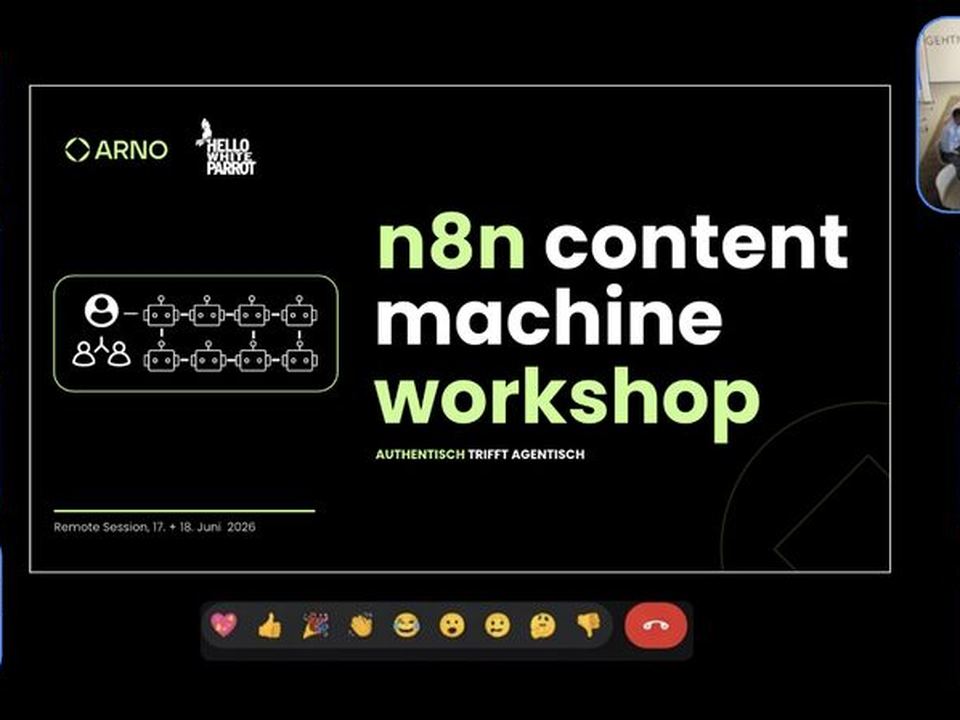
Case · June 2026
ARNO Group
Two days of n8n Content Machine. Day 1: build, wire up, let the data flow. Day 2: get the system running.
Read more
Archive · AR for B2B
Snapchat
Positioning Snapchat as a leading provider of AR technology and innovative shopping solutions.
Read more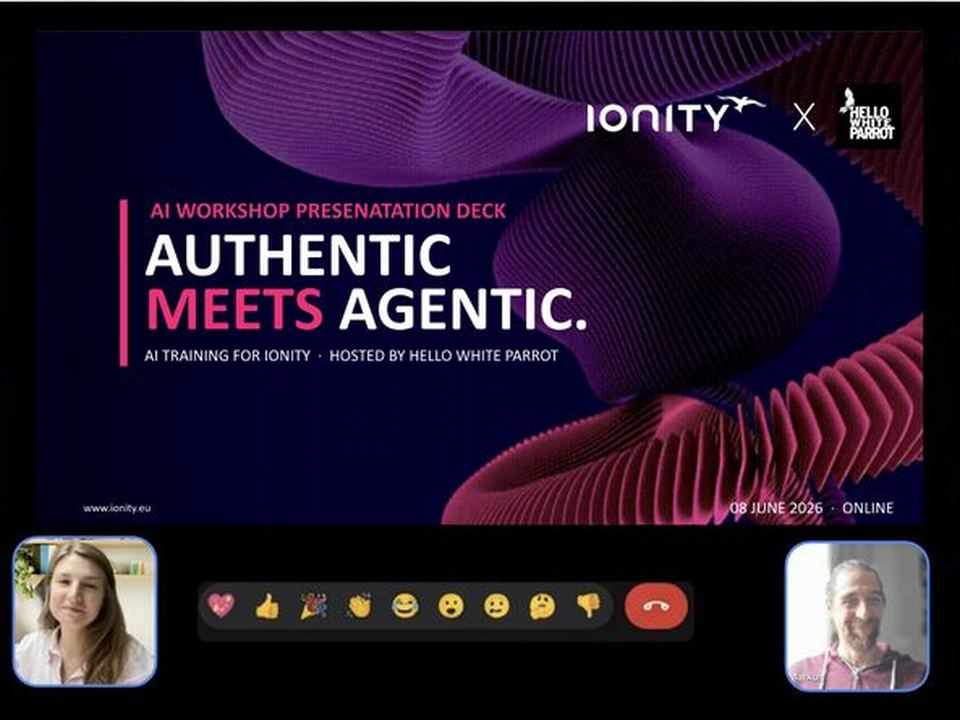
Case · June 2026
IONITY
Dashboards beat decks, focused prompts save real time, and 30 minutes every Friday to sharpen things up. Lots of small wins that add up to a big one by the end of the year.
Read more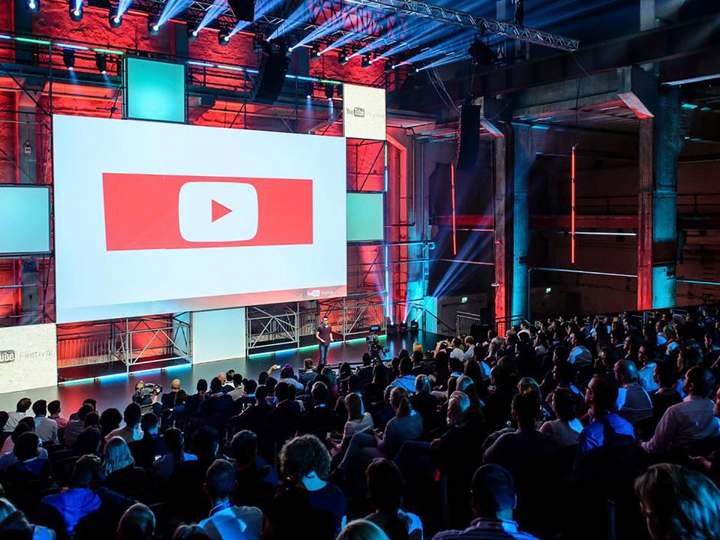
Archive · Festival
YouTube
Convincing marketing directors from around the world to add YouTube to their media plan.
Read more
Perspective · June 2026
Perspective
Bold calls in January, the maths done in June: agents as operating systems, the agent labour market, orchestration as a core skill. What has happened and what has not yet.
Read more
Archive · Summit
Montblanc
Design, icons and animations for Montblanc's “Summit” smartwatch.
Read more
Case · May 2026
ARNO Group
Two days on assistants and frameworks. At the centre were real people instead of personas: the head of purchasing, the brand manager, the person responsible for the rollout. Outcome: assistants that take the load off daily operations.
Read more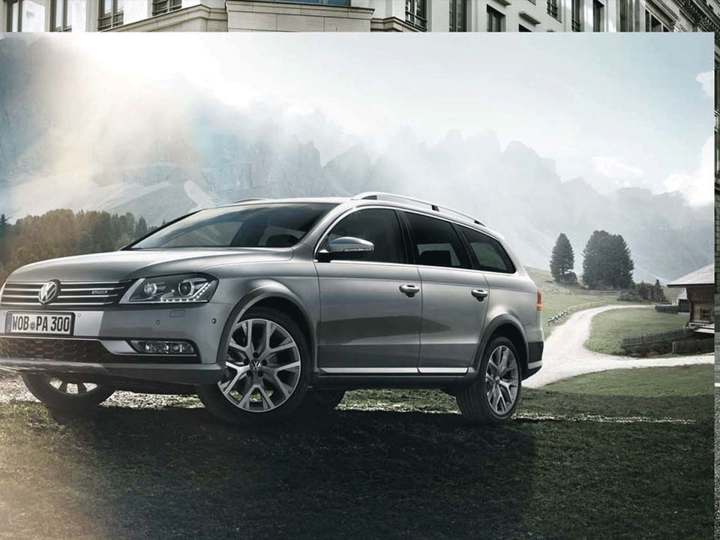
Archive · Passat Alltrack
Volkswagen
An interactive vehicle premiere that generates material for campaigns, catalogues and sales.
Read more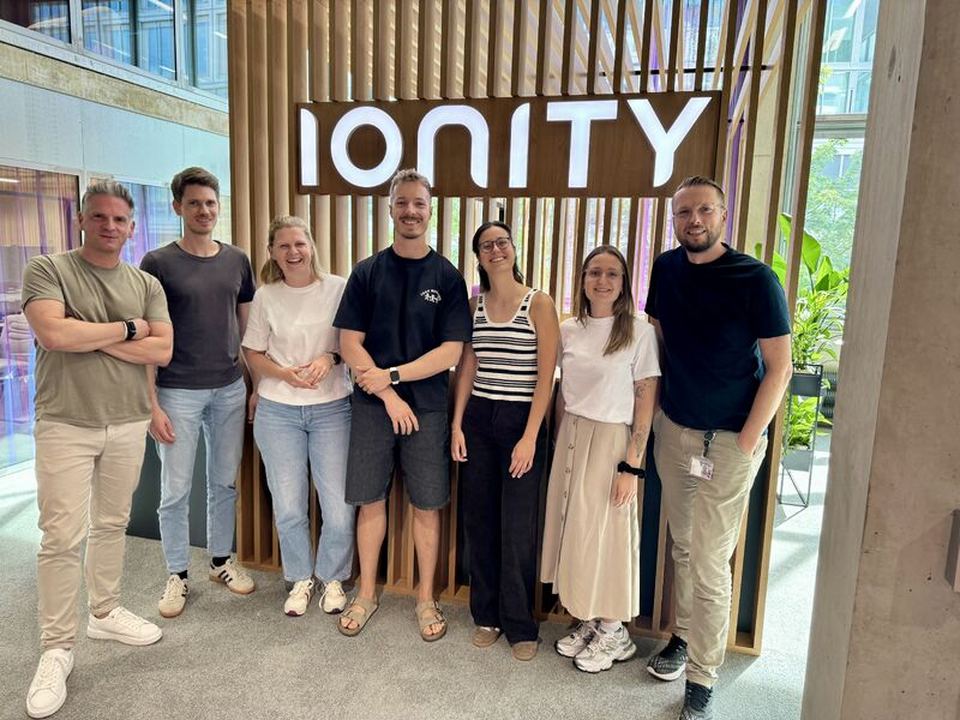
Case · July 2026
IONITY
This line came up in a session with the IONITY team in Munich: exactly the jolt every session is about. One real case, one afternoon, one process that sticks.
Read more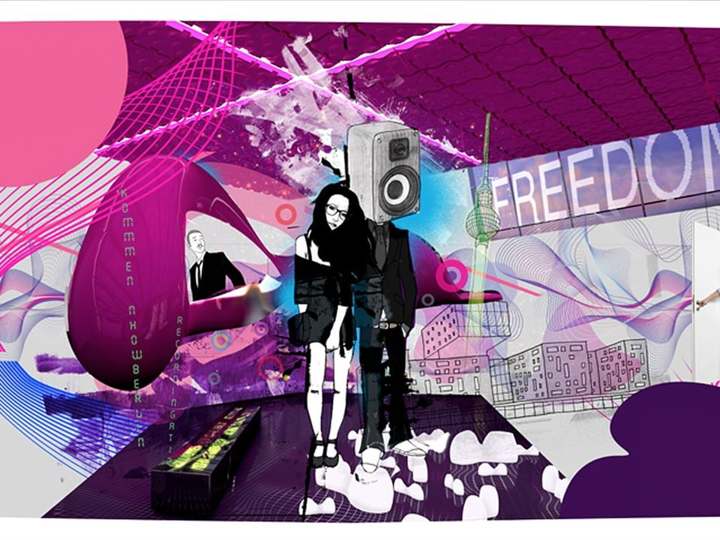
Archive · Music hotel
nhow Berlin
Corporate design, B2B launch campaign and recruiting for the world's first music hotel.
Read moreCase · March 2026
ARNO Group
Two workshop days on AI in sales. For 85 years, the team has been building experiences at the point of sale. Now with AI as the research engine and people as the closers. The first stage towards the Agentic Company has been ignited.
Read more
Archive · Prebunking
Jigsaw (Google)
Three films for Jigsaw's prebunking initiative.
Read more
Perspective · January 2026
Perspective
Routine maintenance of a multi-agent system: everything ran smoothly, the outputs sounded perfect and were wrong. Why checking is as much part of operations as building.
Read more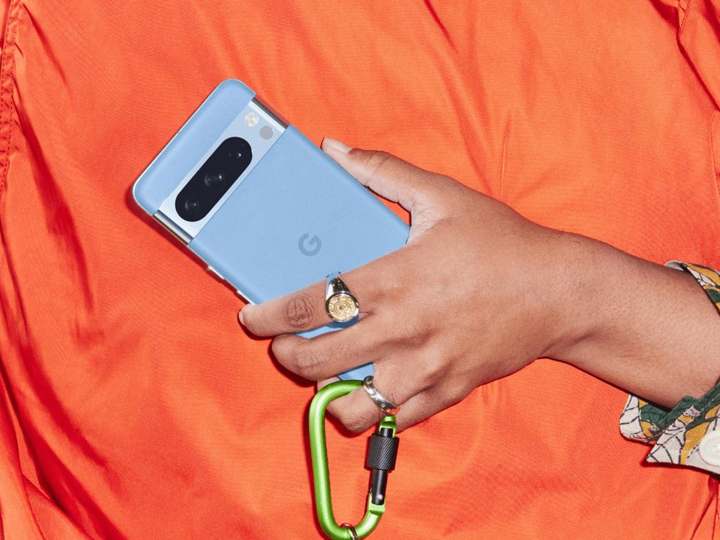
Archive · Pixel 8
Campaign for the German launch of the Google Pixel 8.
Read more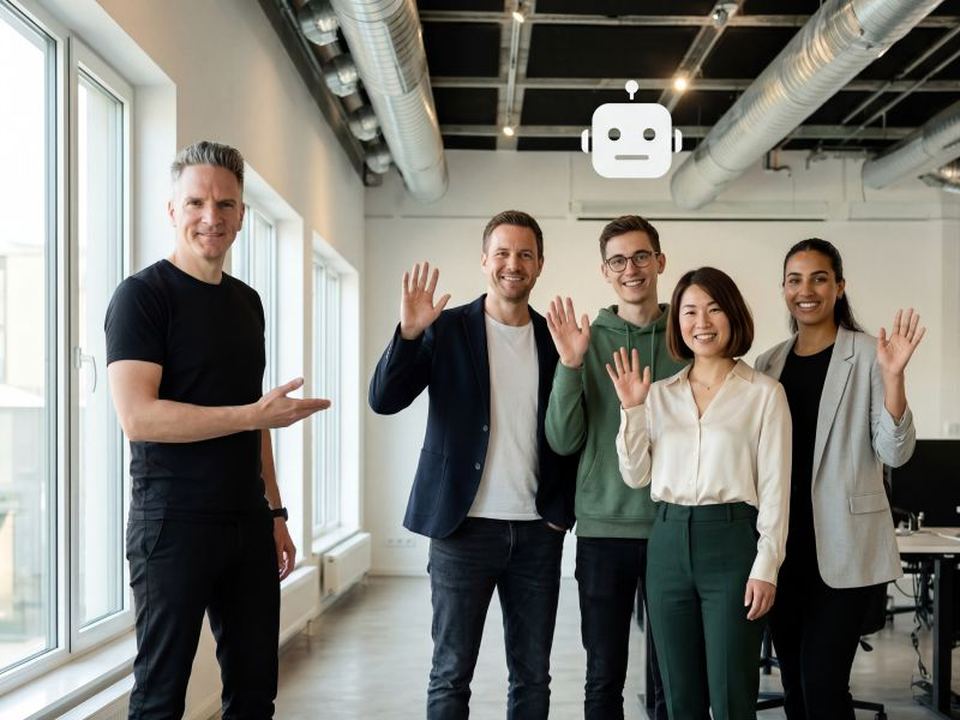
Perspective · May 2026
Perspective
AI assistants here, AI agents there: where many companies get stuck is the leap from the playground into daily work. Experimenting with assistants is easy. Working with them every day is the real task.
Read morePerspective · December 2025
Perspective
“My prompt does X, my assistant can do Y.” That is phase 1. The real work begins when agents become colleagues: with a role, rules and a human who signs off.
Read more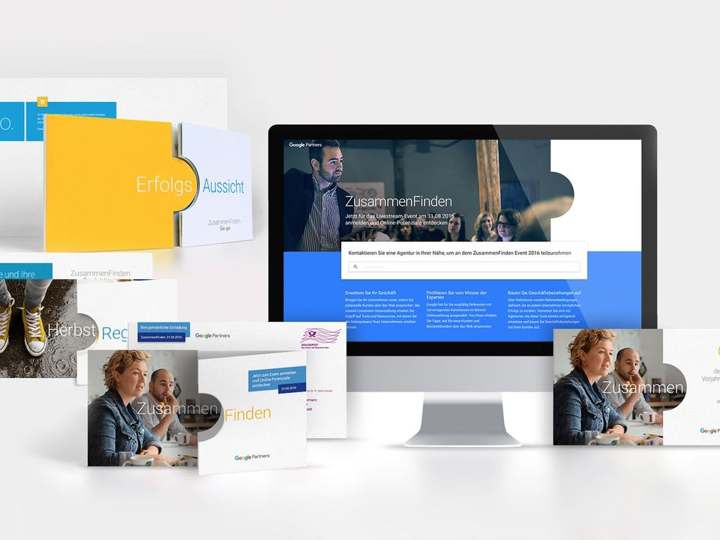
Archive · AdWords
Multi-touch campaign that generates new AdWords leads for Google across all industries.
Read more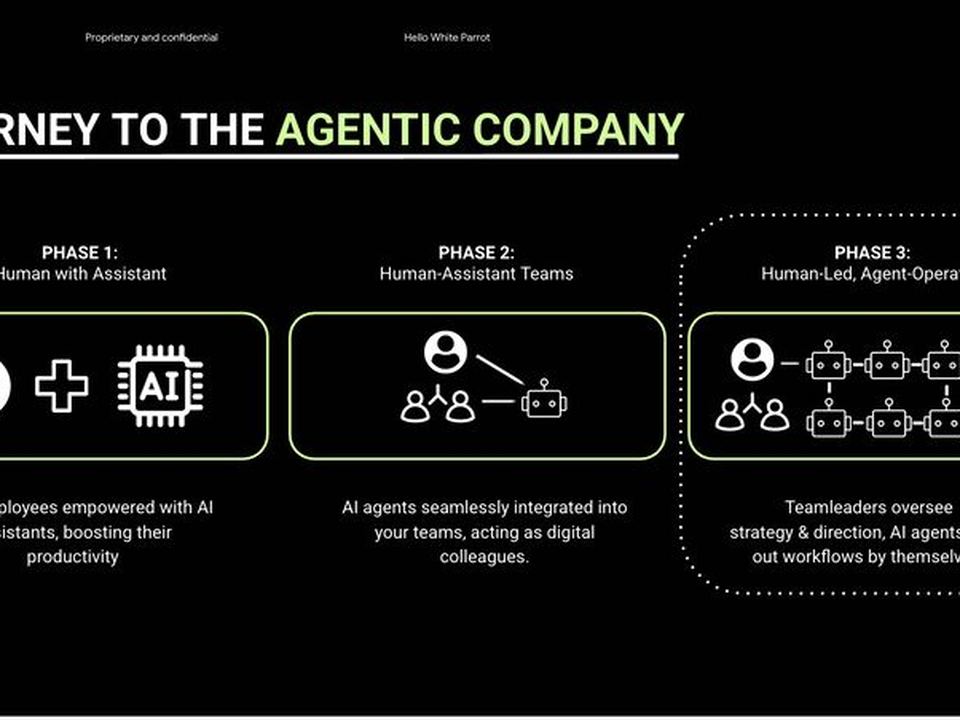
Case · Programme
unlocktomorrow.ai
Three maturity levels: people chatting with AI, human-assistant teams, autonomous systems. The programme meets companies where they are: leadership training, use-case workshops, their own agents.
Read more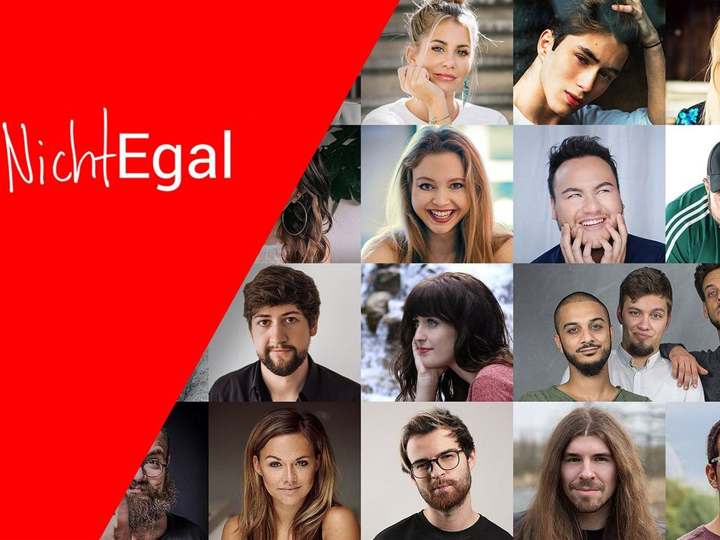
Archive · #NichtEgal
YouTube
Online and offline campaign through which YouTube encourages people to reflect and act for a better culture of conversation.
Read morePerspective · June 2026
Perspective
The question comes up in almost every workshop. Yes, it is AI, but with a method: who it is for (DISC), how to tell it (Pyramid, SCQA), and only then the prompt. Structure first, then storyline, then design.
Read more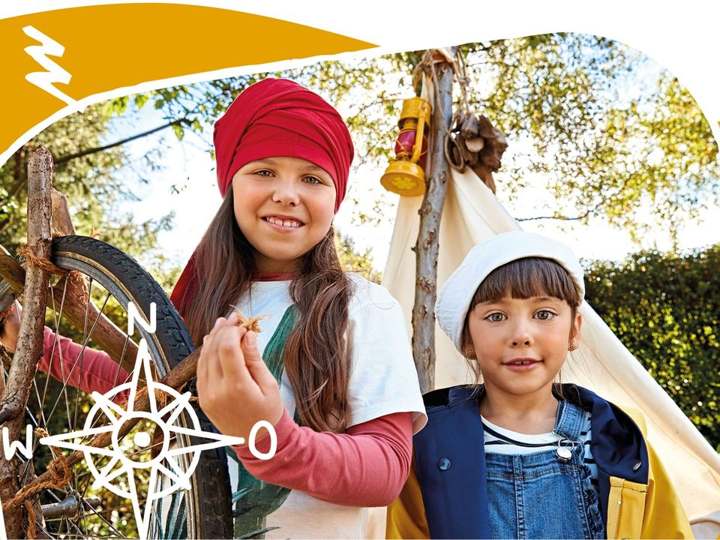
Archive · Case
YouTube Kids
Eight films for YouTube Kids.
Read morePerspective · May 2026
Perspective
Subagent dispatch is moving into the model. Multi-agent systems are becoming the standard, and the decisive question is one for the organisation, far more than for tech.
Read more
Archive · Digital
Bundesliga
Promoting the Bundesliga's five new digital business units and showcasing their expertise.
Read morePerspective · April 2026
Perspective
Which model, which context window, which prompt. Almost never the question that counts: what does the AI actually get to see? Why the data foundation comes before the model.
Read more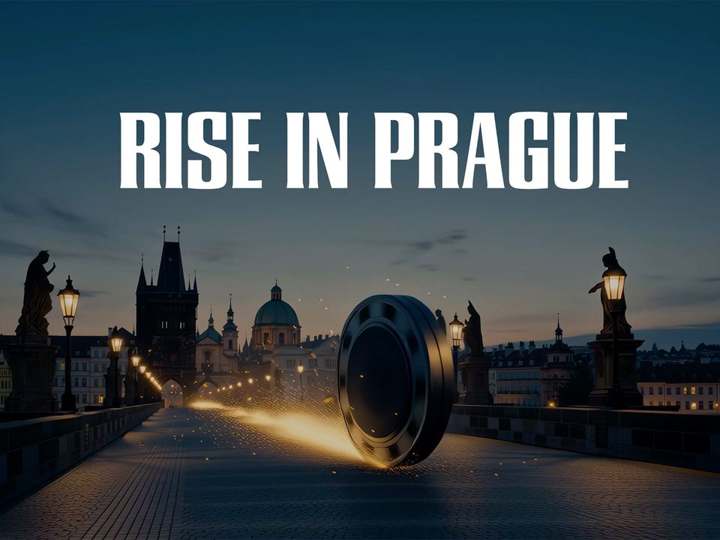
Archive · Prague 2026
WSOP
International online campaign for WSOP Prague, focused on the Golden Re-Entry promotion.
Read morePerspective · March 2026
Perspective
Perfectly agreeable AI is average. Why multi-agent systems need dissent, and how to build agents that push back.
Read more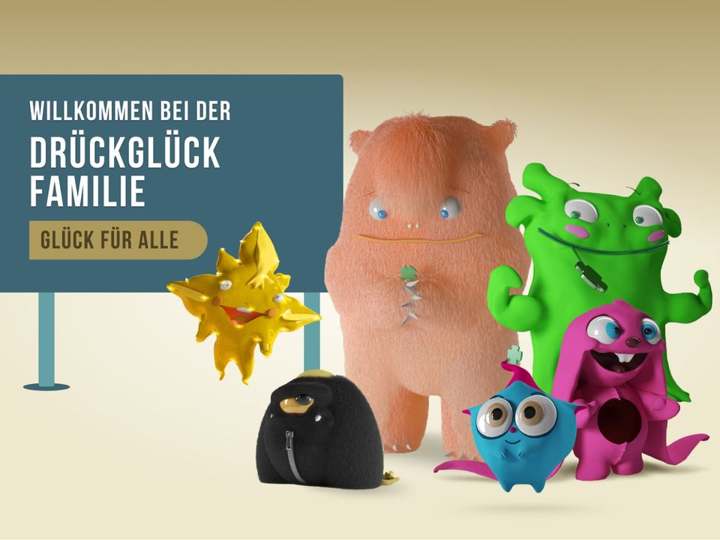
Archive · Brand building
DrückGlück
Development of a casino brand, including online and offline campaigns.
Read morePerspective · March 2026
Perspective
AI transformation in a team works through the Switch framework instead of pressure: rider, elephant, path. How to change habits rather than repeat logic.
Read more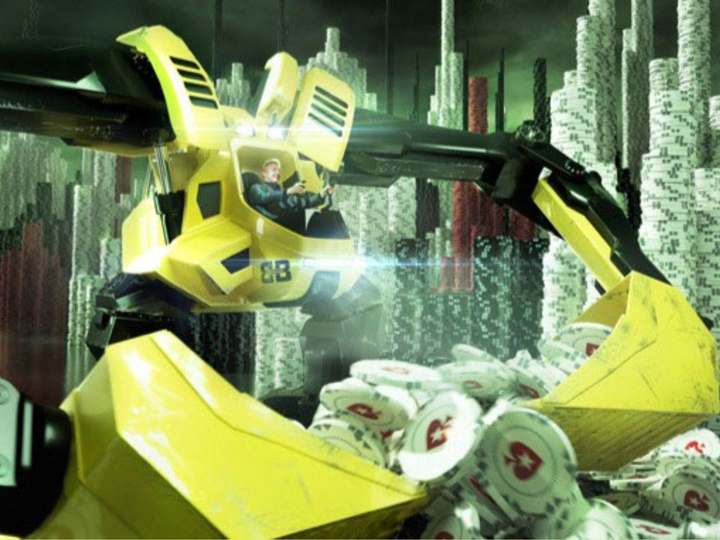
Archive · Brand campaign
PokerStars
Global brand campaign with Boris Becker.
Read moreCase · February 2026
Solo-Helden
A pool builder and solo entrepreneur now builds his own landing pages after the “Business Professional AI” course and runs sales and marketing with his own assistants.
Read more
Archive · Cough syrup
Prospan
The bronchodilating effect brought to life in bold images: print, TV and online. DACH campaign with over 300% revenue growth.
Read morePerspective · January 2026
Perspective
Agents as operating systems, agents as digital colleagues with skills and seniority, orchestration as a core skill: the outlook for the start of the year.
Read more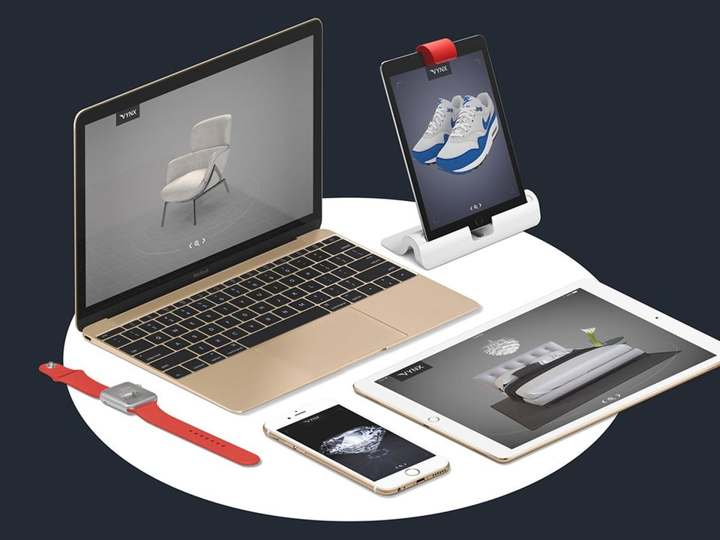
Archive · E-commerce
Hello Vynx
A new experience in e-commerce configurators, developed in-house.
Read morePerspective · October 2025
Perspective
The MIT figure is doing the rounds. What lies behind it when you talk to the people who are actually moving things: it rarely fails because of the technology.
Read more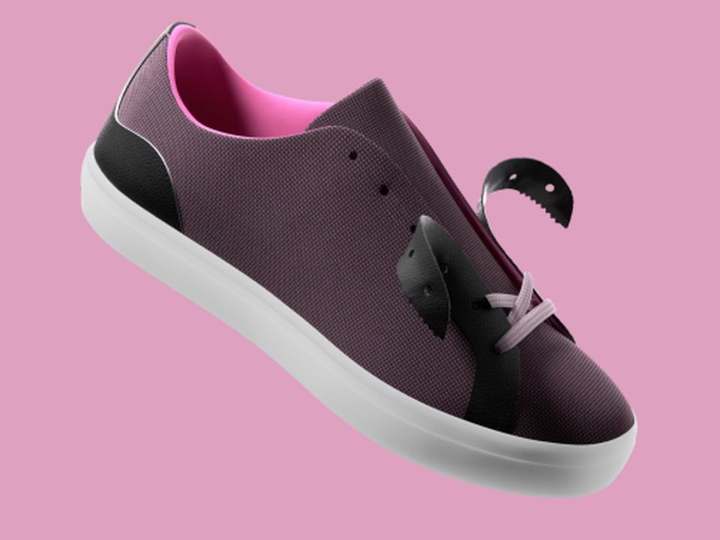
Archive · Image production
Before 9 / HWP
Automated image production: photo, video and live events for Google, YouTube, Nike, Montblanc, Osram and Paulaner.
Read morePerspective · October 2025
Perspective
One pitch, one strong product, and attention is gone after five minutes. Why storyline comes before slides, and how AI helps.
Read more
Archive · Productions
Fashion & Lifestyle
Fashion productions: photo and film for lifestyle brands. Campaign visuals, lookbooks and moving images for social and retail.
Read morePerspective · June 2025
Perspective
Over 30 founders interviewed for a case study series. What connects them has nothing to do with capital.
Read moreGrowing since 2008 with

Cookies for Google Analytics and Google Ads?We would like to use Google Analytics to understand how our site is used, and Google Ads conversion tracking to measure whether our ads lead to enquiries. For this, Google (Google Ireland Limited) sets cookies, and data may also be transferred to the USA. Without your consent, nothing is loaded and nothing is sent to Google. You can change or withdraw your choice at any time via “Cookie settings” in the footer. Privacy policy